Modelling a World War II Destroyer
A Short History
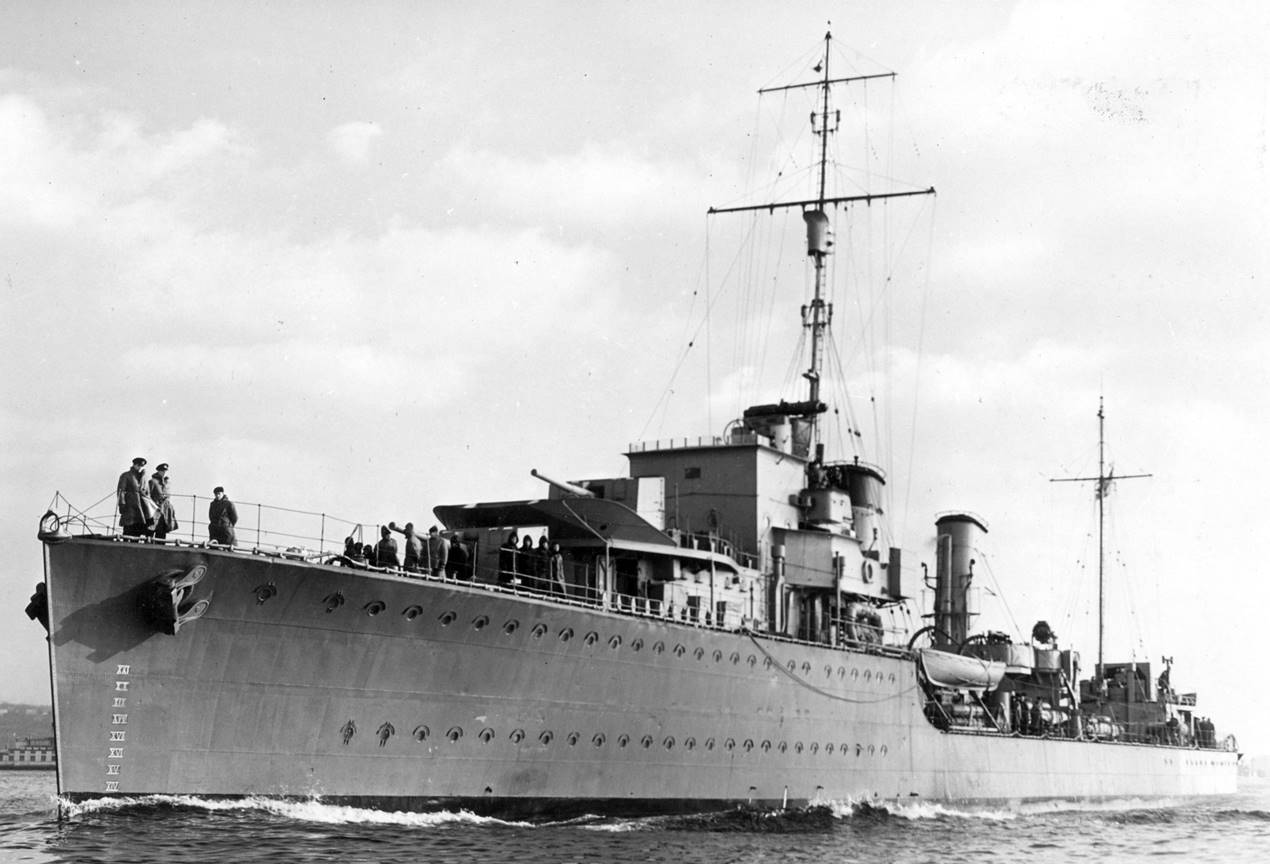
HMCS Assiniboine was
one of the Canadian River Class destroyers that served in the Canadian Navy
during World War II.
She was previously
the British C-class destroyer HMS Kempenfelt,
launched in 1931, then transferred to the Canadian Navy in 1939 for North
Atlantic escort duty. Over her years of service, she underwent a number of
transformations, including the testing of a 5 inch gun, replacement of the 2
pounder AA guns with 20mm Oerlikon and installation
of 50 caliber machine guns.
In 1942 she engaged
U210 in a running gun-battle in the fog and took numerous hits from the 20mm
antiaircraft gun on the submarine. Her crew effectively prevented the submarine
crew from manning the 88mm deck gun by raking the foredeck of the submarine
with machine gun fire. After an extended time of maneuvering, she managed to
ram and sink the sub.
Assiniboine was sold
for scrap in 1945
The Model
This 1/4 scale model
is a late war representation, before A turret was removed to install hedgehog
depth charges and prior to shortening the fore funnel. Construction is 95% from
scratch. Resources for this model included the built-as blueprints from Clyde
Shipyard in England, numerous publications and wartime photographs. I was
fortunate that I located the drawings for HMS Kempenfeldt
at the Canadian Archives site. They provided me with copies of the originals
scanned along with a ruler so I could transfer measurements to scale drawings
that I created for all the sections of the ship.
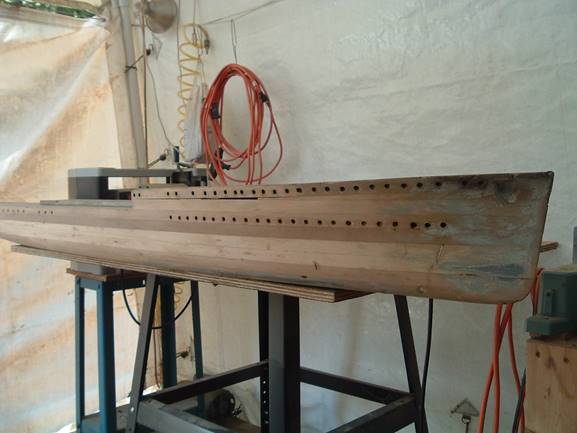
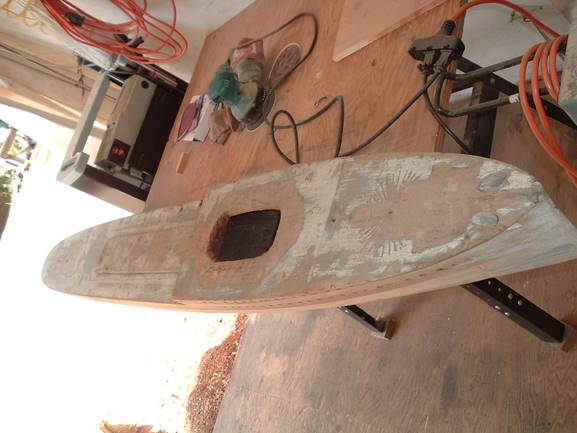
Original hull prep at the beginning of the project. The hull is built in layers made from carved cedar to match the hull structure. It does contain a hollow center and could have been developed as a motorized model. I chose to stay static with it.
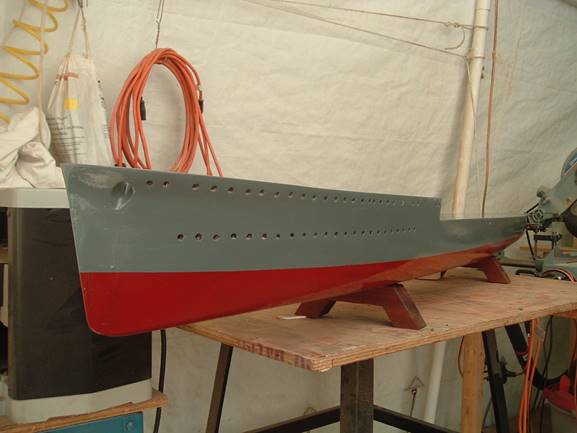
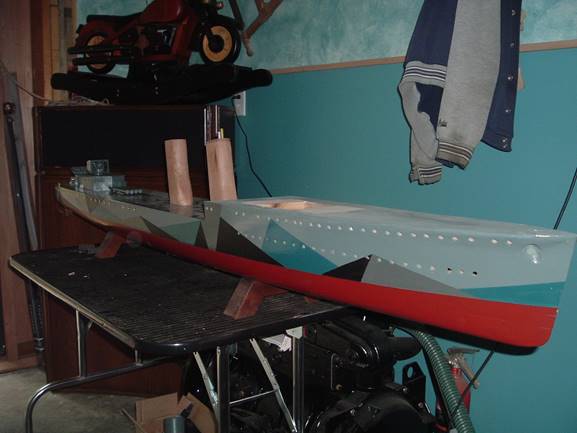
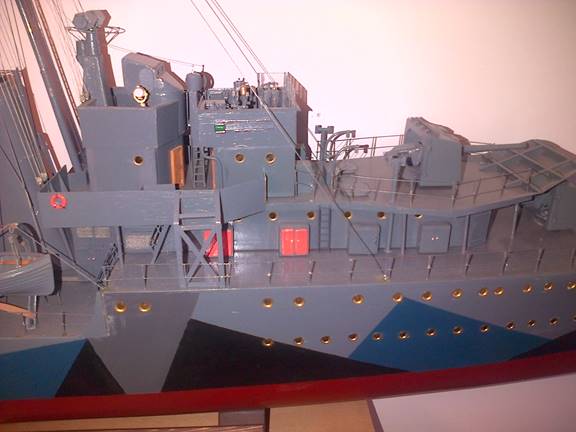
The hull was painted with the basic grey and the lower hull with the red bottom paint. It was then completed with a typical splinter pattern used at stages during the North Atlantic naval war. These patterns varied with different ships and were primarily designed to cause errors in determining range and direction.
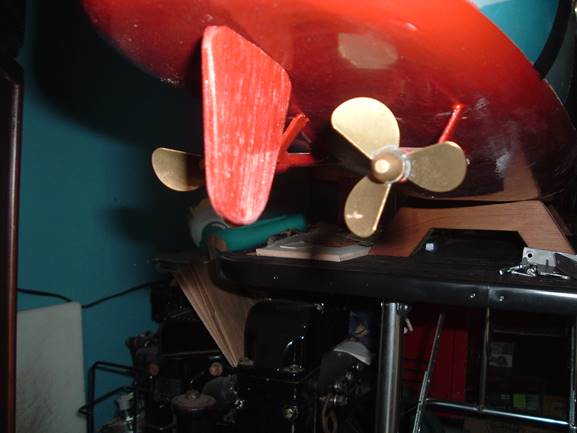
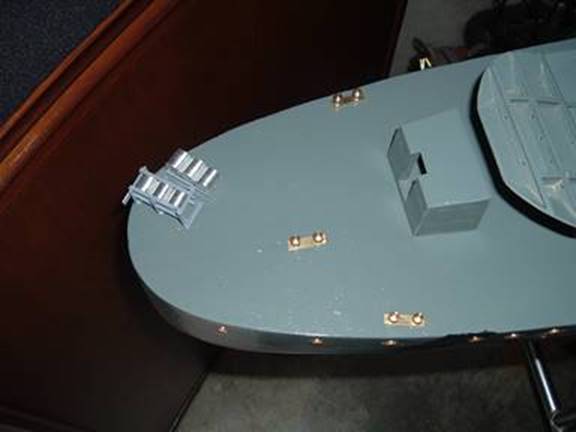
I located brass props of the correct scale at a hobby shop, a fortunate find. Depth charges were machined from aluminum, the racks made from plastic structural shapes, The bollards were also found at a hobby shop.
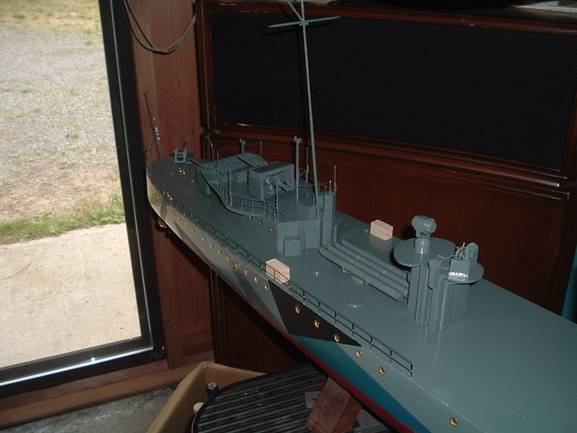
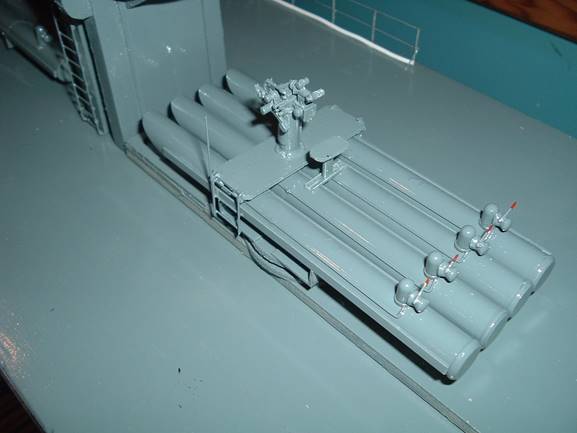
Stern structures
were all built from solid cedar and balsa. Gun turrets were made from balsa. Torpedo
tubes were machined from aluminium stock. Many of the small parts were
scavenged from old model kits and modified. Hoist davits were made from coat
hangers cut and bent to shape. Stanchions for the railings were made from
T-pins with the top cut off, tapped into the hull and then piano wire soldered
on to make the railings.
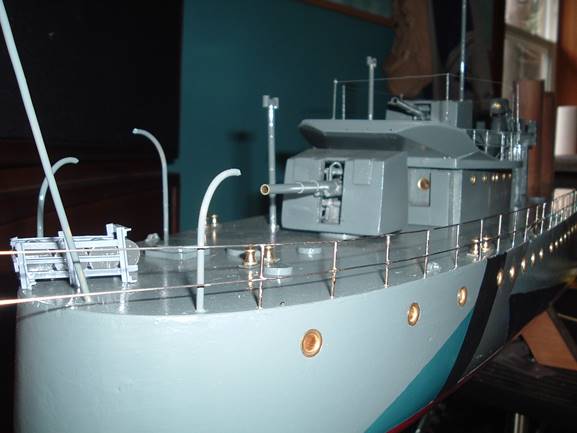
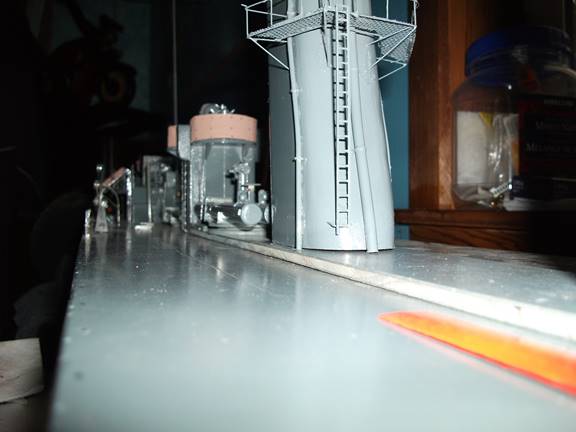
Turrets were made
from balsa, the rail supports were glass beads. Deck hatch covers were the top
half of snap-locks used for fastening boat covers to the hull. Other deck
fittings such as the large hatches and bollards are cast lead. There are no
available 4.7 inch gun parts or models available so the guns were build using
the 5 inch gun as a base, modified to match the construction of the 4.7.
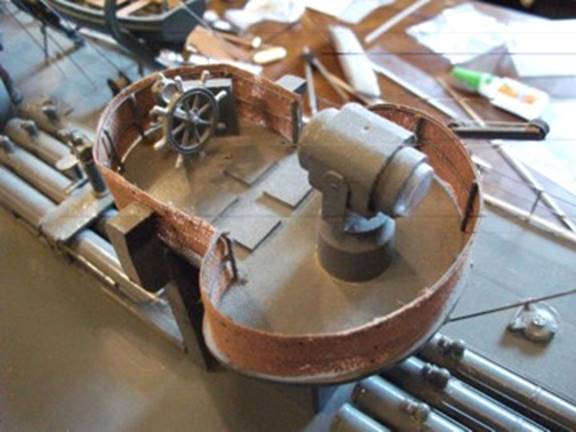
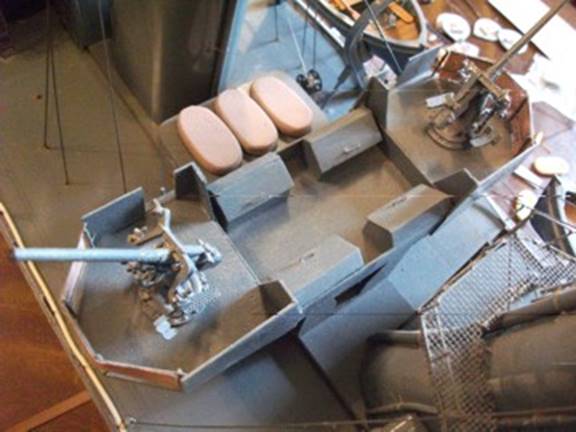
Canvas cover on the
aft steering station railings is paper napkins painted brown, Choice of
material was critical to make sure it looked like canvas. The searchlight is a
brass fitting machined and fitted with a plastic lens. Mid-war modifications to
the ship saw the original 2 pound “pom-pom” antiaircraft guns replaced with the
20 mm Oerlikon.
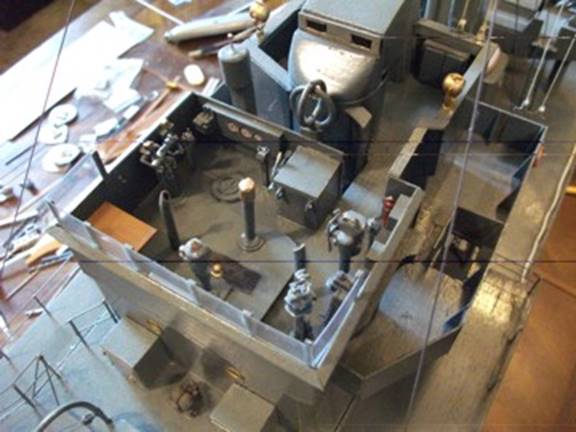
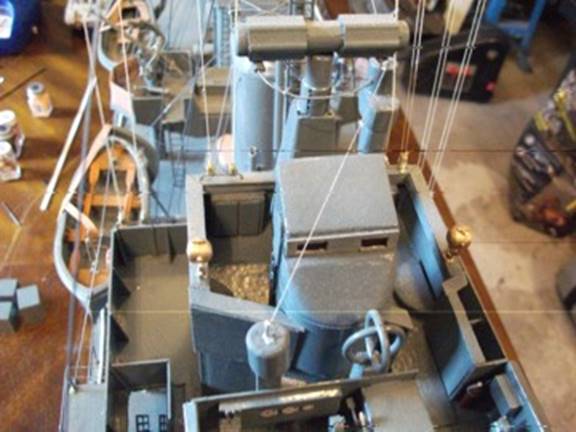
Lifeboats were a purchased
item out of England, fortunately in the correct scale. Oars were made from
balsa and wooden dowel. Bridge fixtures were a combination of manufactured
parts and lead castings. As with the stern all structures are made from solid
cedar.
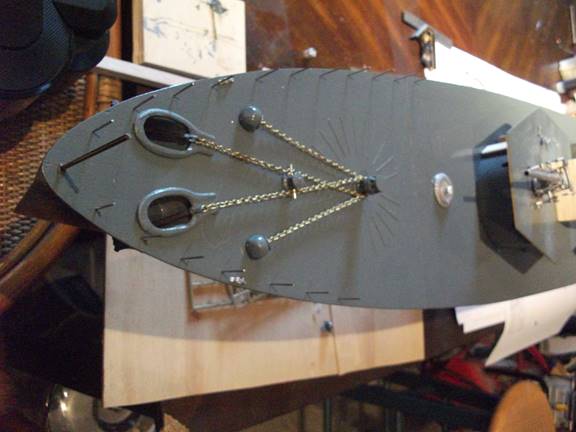
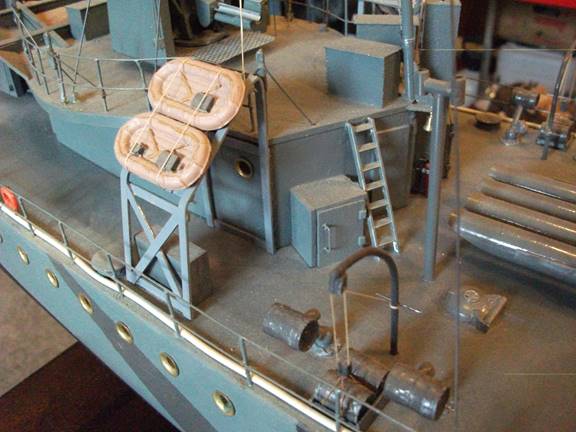
Anchor chains were
measured to conform to scale. The Carly floats were also purchased out of
England. The support structures for the floats are made from structural
plastic. The depth charges and the hedgehog launchers are cast lead
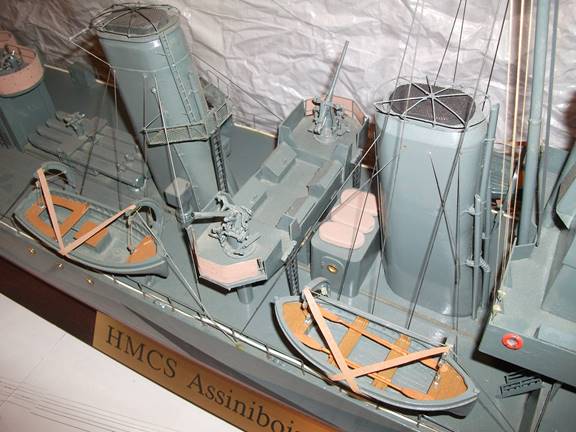
The funnel tops for
the at-port canvas covers were made from formed piano wire soldered together.
All the rigging with the exception of the radio antenna are also piano wire to
eliminate problems with sagging from humidity changes that occur with string or
threads. Portholes are 3/8 inch brass tubing inserts, some ports were replaced
by hatches as seen on later war photos to make loading supplies easier. Pulleys
were commercially available product in the correct scale used on sailing ship
models.
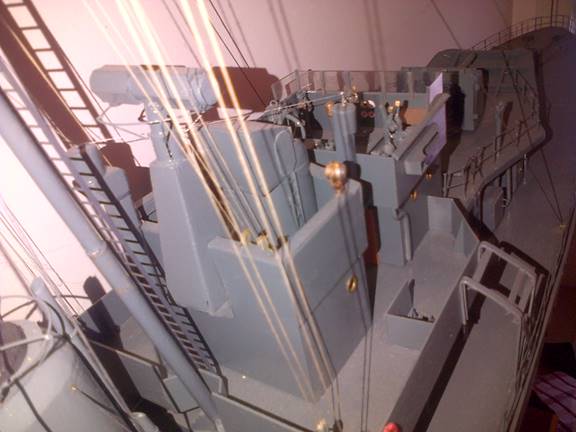
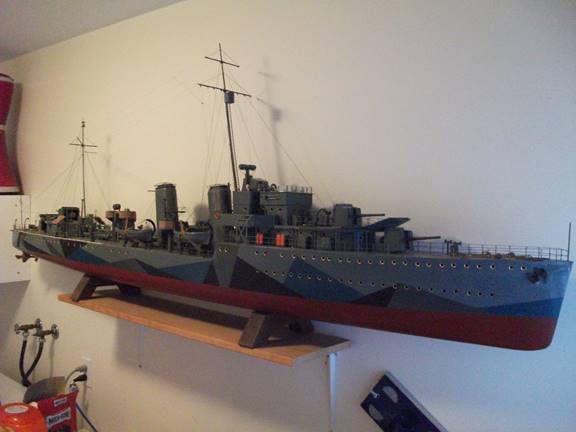
Every part of the
model was researched and reproduced accurately. Halyard lines are thread routed
through pulleys to match the original construction Cabinet doors and handles
were scratch built, Railings duplicated the removable sections that had to be
taken down to fire torpedoes.
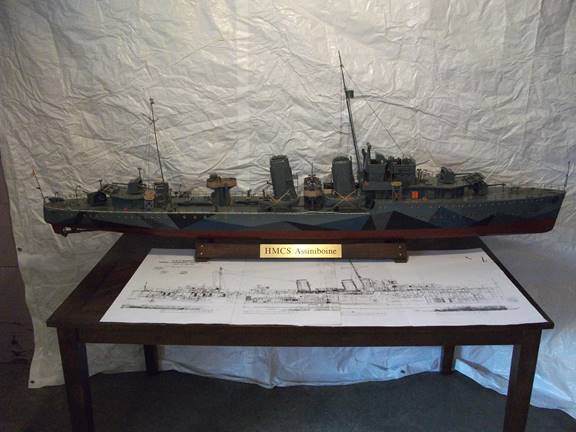
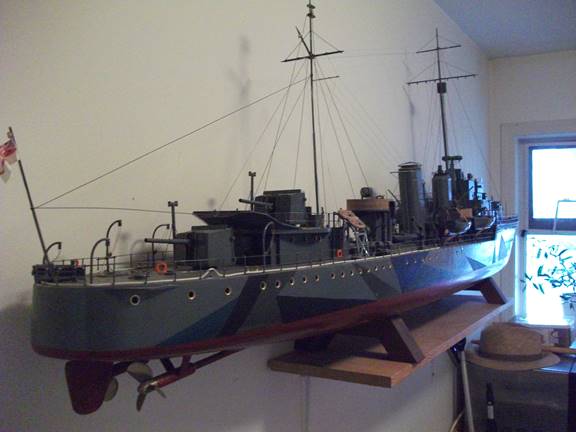
In all a very
successful project and built to exact specifications. This was very rewarding.
The model now resides at the Alberni Project Museum in Courtenay, BC.